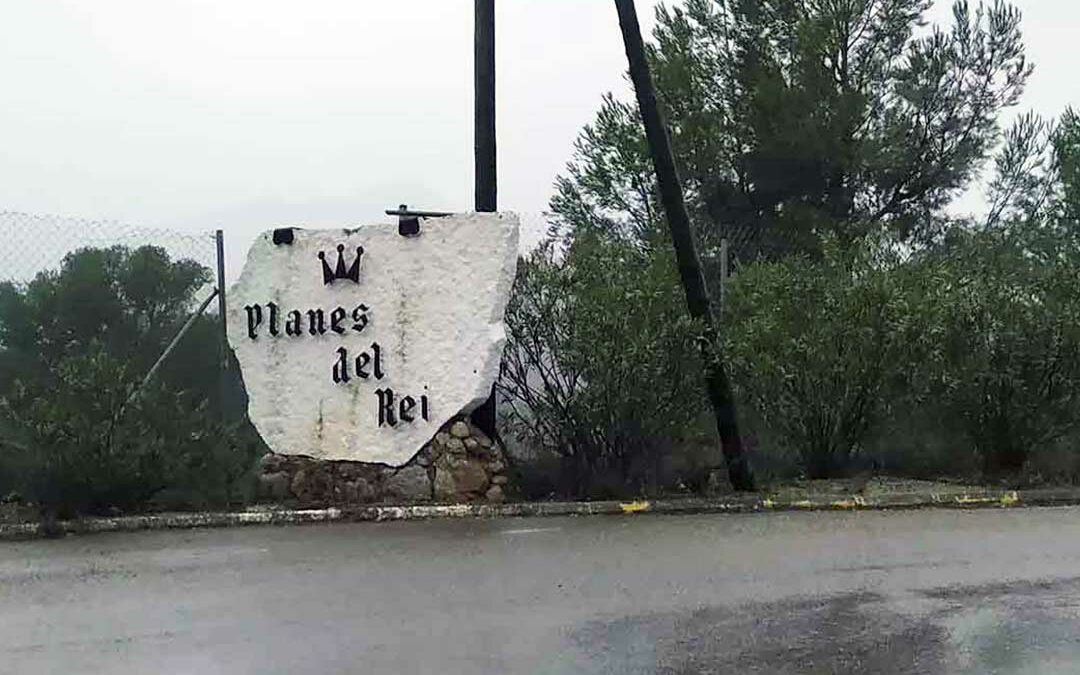
In December 2019, journalist Jordi Olària Gras published a report for TarragonaDigital on the situation in Planas del Rey.
The original report is no longer available on the media outlet’s website. La Tribune de Planas nevertheless preserves its main elements, along with several photographs taken at the time.
Street lighting had been out of service for more than two years, water cuts were recurring, the wastewater treatment plant was no longer operating, and the administrative situation remained complex. The report compares the positions of Avança Pratdip, Mayor Joan Maria Rovira and, on sanitation matters, the Agència Catalana de l’Aigua (ACA).
In simple terms: this report provides an important snapshot of the situation in Planas at the end of 2019. Some of the information comes from residents and Avança Pratdip, while other elements are attributed to the Town Council or the ACA. These different sources need to be clearly distinguished.
An urbanisation still facing a complex administrative situation
The report first returns to an issue that runs through the recent history of Planas del Rey: the formal administrative acceptance of the urbanisation.
The position defended by the municipality at the time was that certain infrastructures had not undergone formal acceptance allowing them to be fully taken over by the Town Council.
This issue must be distinguished from ownership of certain assets. Streets, networks and facilities had been subject to transfer procedures and registrations in the name of the Town Council during previous decades, without this necessarily meaning that the urbanisation as a whole had been formally accepted by the municipality.
In simple terms: municipal ownership of certain assets and the formal administrative acceptance of the urbanisation are two different matters.
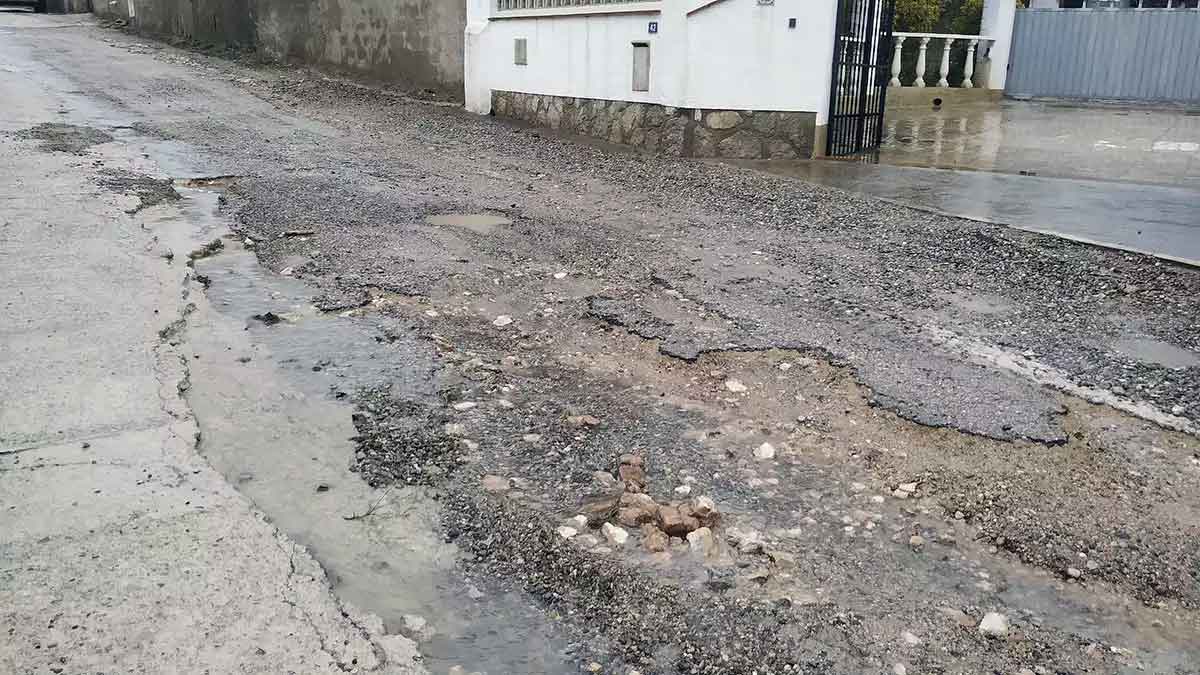
Photo: Jordi Olària Gras
The EUCC had been dissolved, but not all the consequences had been resolved
The situation of the former EUCC also occupies an important place in the report.
The High Court of Justice of Catalonia had ordered its dissolution on 21 July 2016. An enforcement order followed in December 2017, and the dissolution was registered with the Generalitat in September 2018.
By December 2019, therefore, there was no longer any doubt about the legal existence of the dissolution decision.
However, the liquidation of the former entity and the practical consequences of its disappearance were still causing difficulties, particularly in relation to certain facilities, contracts and responsibilities.
According to the report, Mayor Joan Maria Rovira referred, among other things, to outstanding accounts and charges that some property owners had allegedly not paid.
Avança Pratdip, for its part, criticised the slow progress and called for the services and infrastructure of Planas to be progressively regularised.
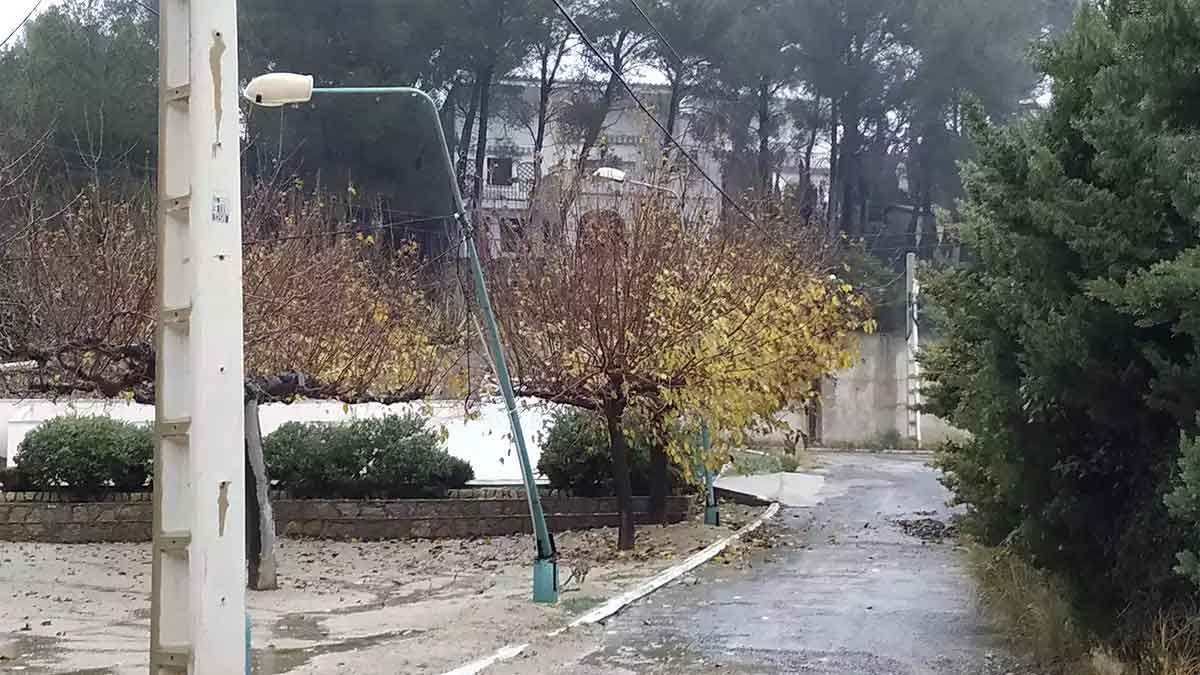
Photo: Jordi Olària Gras
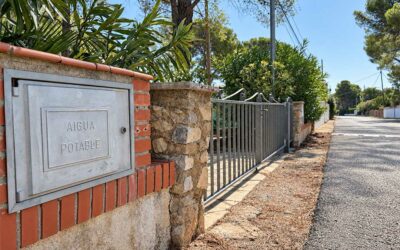
More than two years without street lighting
One of the most visible problems at the time concerned street lighting.
According to the report, the streetlights in Planas had not been operating for more than two years.
The mayor explained that the electricity contract was still in the name of the former EUCC and that the entity had stopped paying the bills.
Avança Pratdip, meanwhile, argued that a solution had to be found to restore street lighting in the urbanisation.
This issue had already been raised during the Town Council meeting of 4 October 2019.
The situation illustrates in practical terms the difficulties that followed the disappearance of the EUCC: an existing contract ceased to operate while responsibility for replacing or taking it over remained disputed.
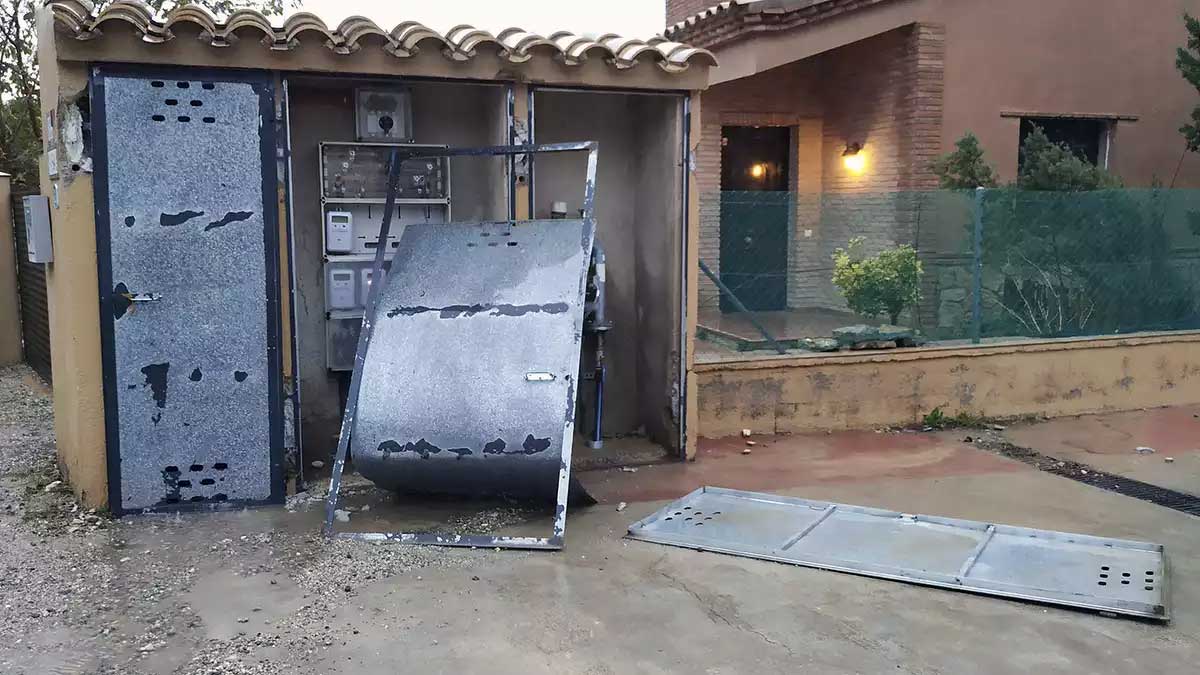
Photo: Jordi Olària Gras
The wastewater treatment plant at the centre of concern
The report also devotes considerable attention to the Planas del Rey wastewater treatment plant, which was no longer operating at the time.
Óscar Serrano, an Avança Pratdip councillor, raised concerns about wastewater discharges into the ravine and their possible environmental consequences.
The situation had already been the subject of several warnings in the preceding months and had been documented by SOS Planas in November 2019.
The report nevertheless adds one particularly important element: the position attributed to the Agència Catalana de l’Aigua.
According to the information reported by TarragonaDigital, the ACA stated that the former facility served only part of the urbanisation and that no discharge authorisation had been formally established with the Agency.
The report also states that inspections had identified poor conditions at the facility and results that did not meet the required discharge parameters.
Avança Pratdip also raised the possibility of contamination affecting nearby wells and groundwater.
The ACA, however, stated that at the time it had no evidence establishing contamination of neighbouring aquifers.
In simple terms: problems involving wastewater discharges and inadequate sanitation were reported. However, the available information did not establish contamination of groundwater.
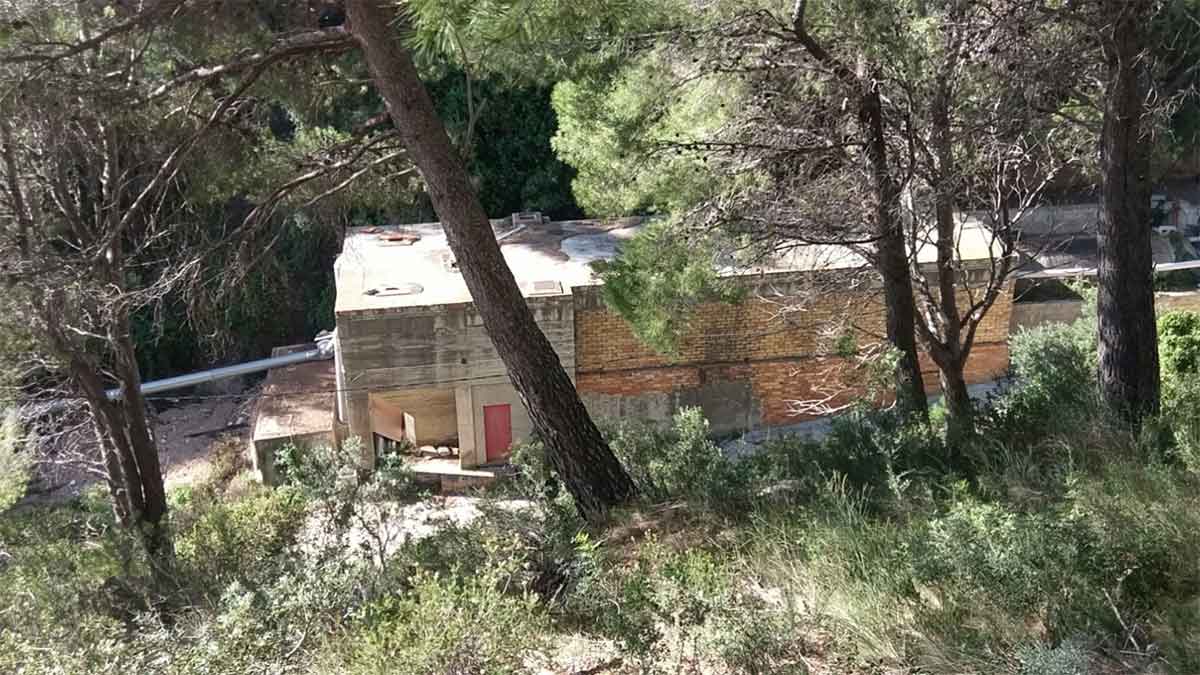
Photo: Frederic Zuccheretti
Three sanitation projects announced by the ACA
The report also provides important information about projects being considered at the time.
According to TarragonaDigital, the ACA planned to develop three separate sanitation projects for Pratdip, Planes del Rei and Santa Marina, with a target horizon then announced for around 2022.
This announcement did not mean that the works had already been funded or carried out. It did, however, show that by the end of 2019 the need for a specific sanitation solution for Planas del Rey had been identified within the ACA’s planning.
For the chronology of Planas, this information is particularly important in light of the water and sanitation projects that would be studied in the following years.
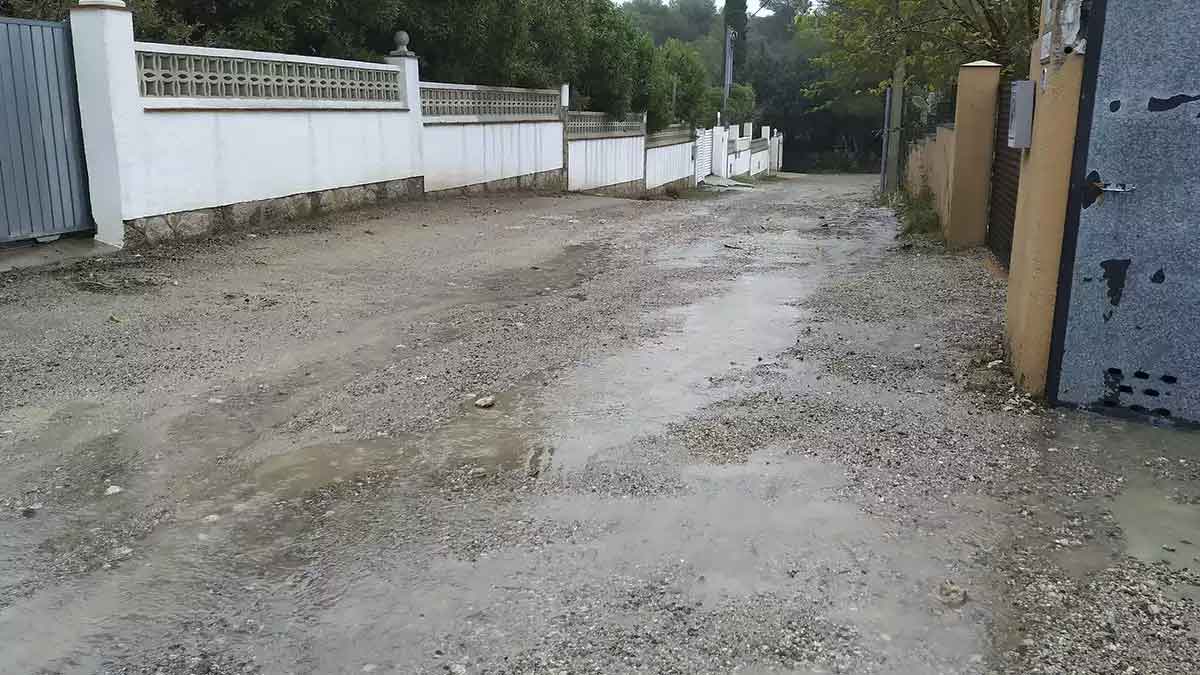
Photo: Jordi Olària Gras
A water network affected by recurring cuts
Water supply was another major concern among the residents interviewed.
The report describes recurring water cuts, sometimes lasting for extended periods, as well as a network requiring significant repairs and maintenance.
The Planas system relies in particular on pumps and reservoirs, making the supply especially vulnerable to breakdowns.
The division of responsibility for repairs to the network was still a source of disagreement between property owners and the municipality.
The report therefore reflects a problem that would continue to recur in the following years: an ageing network, frequent breakdowns and difficulty determining who should finance certain interventions while the urban-planning situation remained incompletely regularised.
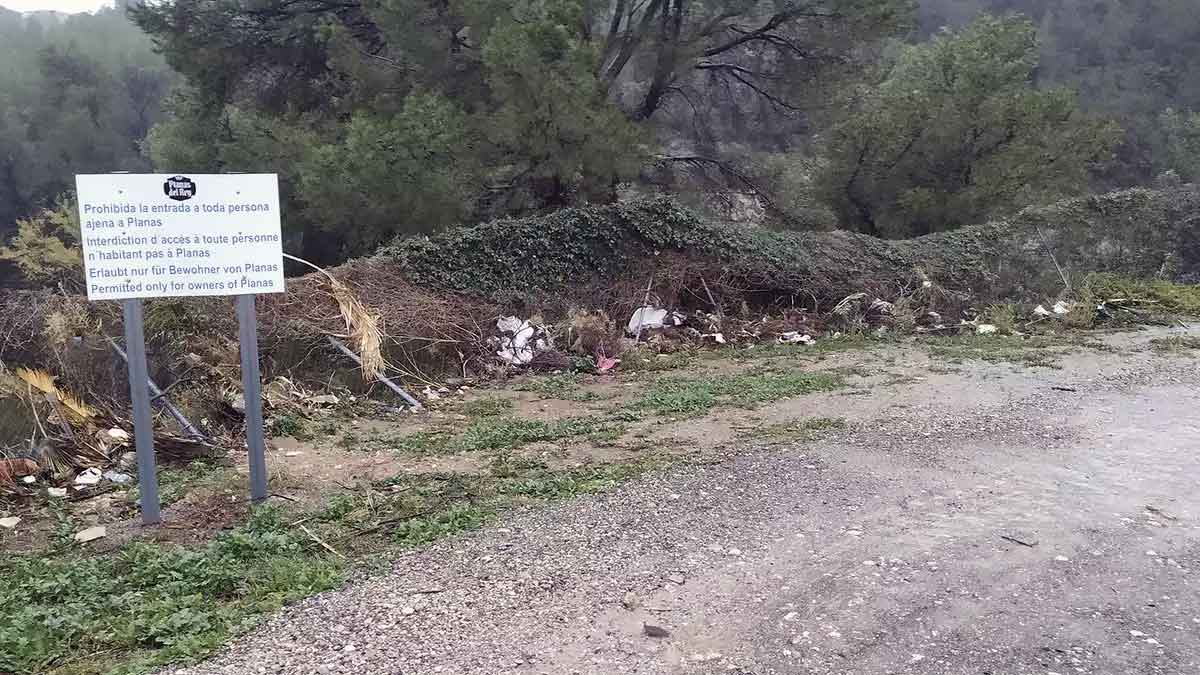
Photo: Jordi Olària Gras
Property owners questioning the level of services received
The report also reflects a widely expressed feeling in Planas: the perception of an imbalance between the taxes and charges paid by property owners and the level of services received by the urbanisation.
At the time, some representatives of the property owners put forward very high figures concerning the proportion of municipal revenue said to come from Planas.
However, the available municipal budget documents do not allow those specific percentages to be confirmed.
It is therefore more accurate to retain the political and social observation of the period: some property owners believed that they contributed to municipal finances without receiving the level of services they expected from the municipality.
An issue extending beyond Planas del Rey
Finally, the report places the situation in Planas within the broader issue of Catalan urbanisations developed mainly during the 1960s and 1970s whose administrative regularisation remained incomplete.
Avança Pratdip stated at the time that it had made contact with other urbanisations facing similar difficulties.
The stated aim was to bring these issues before the Catalan institutions and seek solutions allowing infrastructure and services to be regularised.
This initiative shows that by the end of 2019, the situation in Planas was beginning to be presented not only as a local problem, but as one example of a wider urban-planning issue in Catalonia.
What this report adds to the chronology of Planas
The TarragonaDigital report is particularly interesting because it does not present only the position of property owners.
It compares the concerns expressed by Avança Pratdip with the mayor’s explanations and information attributed to the ACA.
By the end of 2019, several points stand out:
- the EUCC had legally been dissolved, but its liquidation and certain practical consequences were still unresolved;
- street lighting had been out of service for more than two years;
- the water network was affected by recurring breakdowns and cuts;
- the Planas wastewater treatment plant was no longer operating;
- according to the report, the ACA identified problems involving the facility and wastewater discharges, without establishing contamination of the aquifers;
- a specific sanitation project for Planes del Rei was announced within the ACA’s planning;
- the acceptance and management of infrastructure remained at the centre of disagreements between property owners and the municipality.
In simple terms: by December 2019, the difficulties facing Planas del Rey could no longer be reduced to a single problem. Water, sanitation, street lighting and the urban-planning situation were closely interconnected and revealed the practical consequences of a regularisation process that had remained incomplete for several decades.
Source
Report by Jordi Olària Gras, published by TarragonaDigital in December 2019. The original article is no longer available on the media outlet’s website.
Jim – La Tribune de Planas